Brisbane property guide
How to value your Brisbane property accurately
Working out what your house is actually worth is more than punching the address into a price-guess tool. There are four inputs that matter — comparable sales, your property's specifics, the current market and presentation — and most online estimates get at least two of them wrong. Here's how to do it properly.
Published 12 February 2026 · 9 min read
1. Comparable sales — the only number that really matters
What similar houses have sold for in the last three to six months is the single most reliable input. Look within a kilometre, same bedroom and bathroom count, similar land size, similar age and style. Filter for sold listings — asking prices are wishful thinking. In faster suburbs, weight the recent ones more heavily; in a hot patch, prices can shift inside your search window.
2. Property features — what makes yours different
Two identical-looking houses on the same street can sell for very different money. Land slope, aspect, layout, parking, outdoor space, the kitchen, the bathrooms, the energy bills. Walk through honestly and compare against the comps. Buyers will be honest. You should be too.
3. Current market conditions
The same house is worth more in a hot market than a slow one — obvious, but worth repeating. Look at days on market in your suburb, the clearance rate at auction, and the depth of buyer enquiry at open homes. Brisbane houses are sitting around 28 days on market in 2026, which is significantly faster than 2024.
Get a free Brisbane property valuation
In about two minutes, see what your home is realistically worth based on recent comparable sales.
Get my free valuation4. Presentation and timing
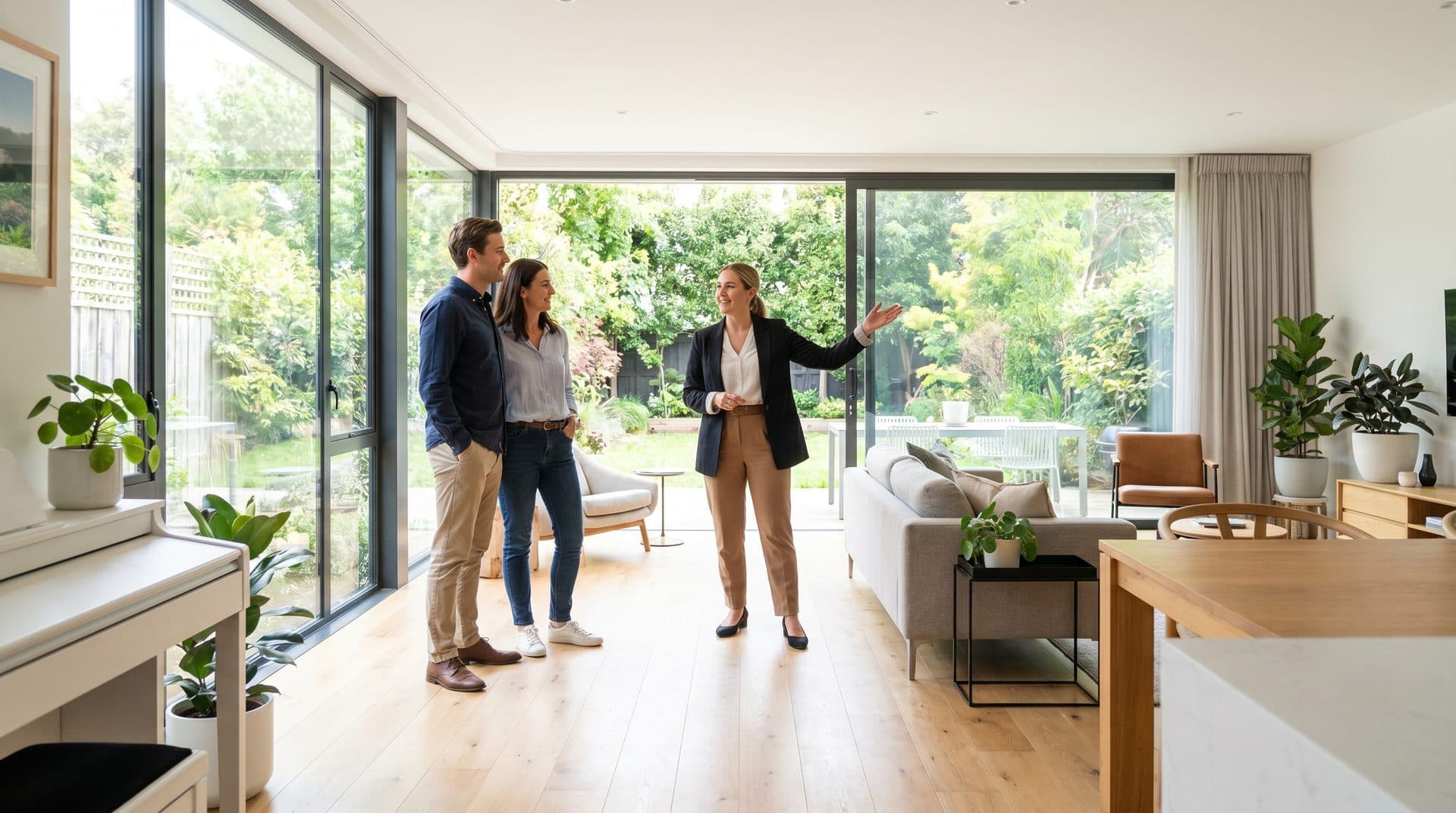
A tidy garden, fresh paint, professional photos and a styled interior can move the final price 5–10%. Timing matters too — Brisbane's spring window (September to November) usually has the deepest buyer pool, but a clean campaign in February can outperform a tired one in October.
Common valuation mistakes
The classic mistake is anchoring on the highest sale on the street and assuming yours will match. The other side of the coin is underselling renovations or specific features. A balanced valuation uses three to five real comps, weighted for similarity, with honest adjustments either way.
When to get a professional appraisal
An online estimate is fine if you're just curious. Once you're inside 6–12 months of selling, get in-person appraisals from two or three local agents and a written valuation that combines suburb data with the specifics of your place. That's when the numbers start to mean something.